Delhi
Explore Experience Themes in Delhi
Activities in Delhi
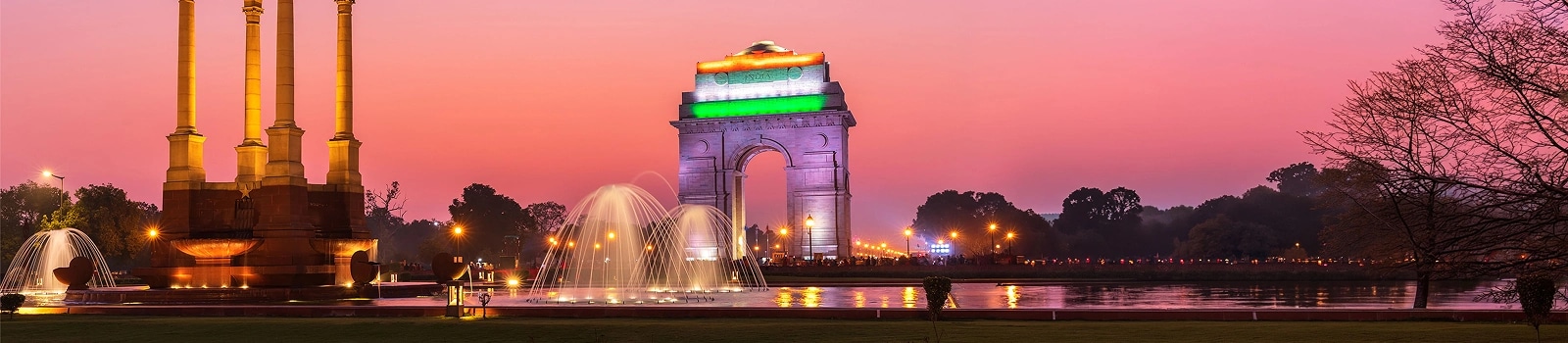
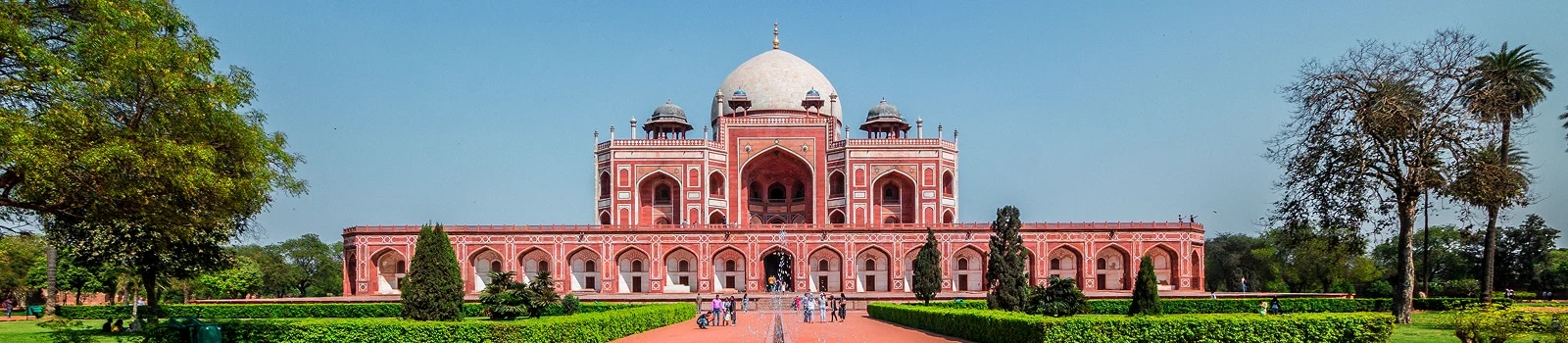
Delhi is the nation’s capital, and while Old and New Delhi are the most commonly used alternate titles for parts of the metropolis, many histories tell of seven different stages in the history of Delhi. Mumbai is the Financial capital of India, as well as home to the world’s most prolific cinema industries, the ubiquitous Bollywood. A one-time capital of India, renowned for grand colonial architecture, cultural festivals and art galleries, Kolkata is home to artists, writers, thinkers and has a great revolutionary heritage. Bangalore, proudly known as the Silicon Valley of South India, and also acclaimed as the Garden City, is mostly regarded these days as the country’s premiere IT hub“The Capital City” Delhi - India
Delhi Cultural Day Tour
India is often described as a land of extremes and of contrasts and Delhi certainly lives up to this reputation. There is no escaping the occasional glimpse of chaos and poverty, but at the same time the city bursts with beautiful architecture, extreme wealth and an ever - improving infrastructure as the city strives to recreate itself as a 21st century megacity to rival those elsewhere in Asia.
For the visitor, Delhi can be seen in three main sections: Old Delhi, New Delhi and South Delhi. Old Delhi refers to that part of the metropolis on the west bank of the Yamuna River and a typical sightseeing tour of the city will begin here. This part of Delhi is home to the Jama Masjid - the largest mosque in India and possibly its grandest as well.
Nearby are the markets of Chandni Chowk which are the busiest in Delhi and present an incredibly vibrant picture of the city and her residents - a cycle - rickshaw ride through these markets is a truly eye - opening experience.
Two of Delhi's greatest monuments are close by - Humayun's Tomb which resembles the Taj Mahal albeit on a smaller scale and the infinitely more humble memorial at Raj Ghat which marks the site where the father of modern India, the great Mahatma Gandhi, was cremated after his assassination in 1948. This is a deeply poignant site and a place of great reverence for locals and visitors alike.
During the early part of the 20th century, New Delhi was conceived as the capital of the British Raj (the previous capital was in Calcutta, now Kolkata, in the east of the country). The architecture of the grand government buildings of New Delhi is primarily the work of one man - Edwin Lutyens - and is uniformly impressing and imposing.
Although the buildings themselves are not open to the public as the form the seat of India's central government, a tour of this area gives a glimpse of yet another of the eras of Delhi's development. Ironically British rule lasted just 15 years after the capital was shifted to Delhi - 1932 - 47.
The complex history of Delhi through the ages means that no one part of the city is a separate entity from the others and the different parts overlap in many places. South Delhi is home to two stupendous sights. Qutb Minar is the tallest brick minaret tower in the world and reaches over 70 metres in height.
This impressive structure, set in beautifully maintained grounds attracts more visitors in some years than the much more famous Taj Mahal. Also in the same complex is the mysterious 'iron pillar' - a mysterious object which has confounded experts who are unable to explain its exact origins.
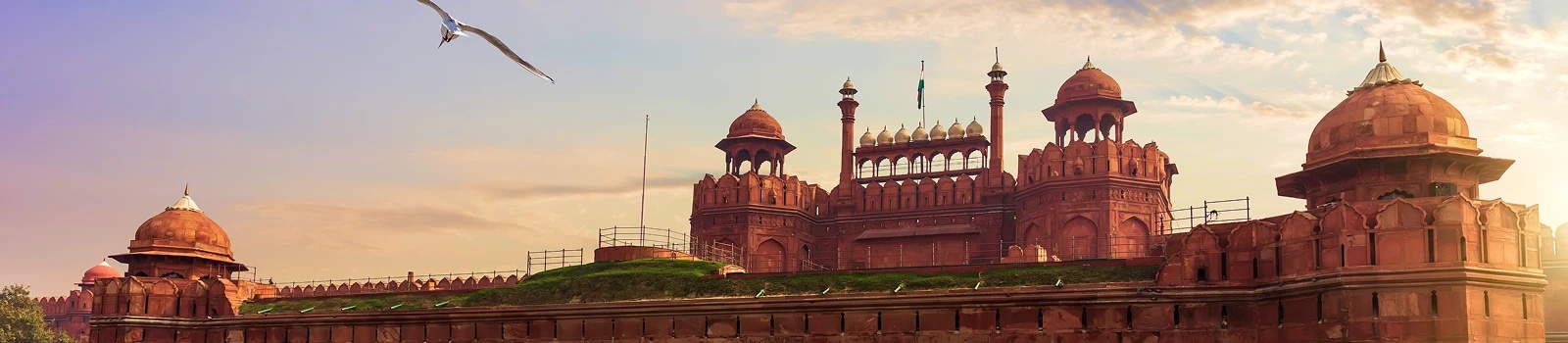
Of much more recent origin, but also in the same general area of Delhi is the Lotus Temple - a spectacular structure which is the largest house of worship of the Baha'i faith. There are so many tourist places in Delhi to visit like India Gate, Red Fort, Qutub Minar, Jantar Mantar and many more.
To explore this area fully would take days, but a great way to get around and experience the vibrant atmosphere and array of sounds and sights on display is by traditional cycle - rickshaw.
Each rickshaw carries 2 people (locals squeeze several more in!) on a journey through impossibly small laneways and alleys. Everyone you pass has a smile or a wave to offer and while each day in Chandni Chowk is unique, you will certainly see a wide cross-section of Delhi society - traders, school children, family groups and itinerant travellers.
This activity will also expose you to the less pleasant side of Delhi with destitute people and the odd beggar likely to be part of the experience but in India’s capital this is another part of the cityscape which gives Delhi its unique flavor.
The best way to experience something of Delhi is in the company of a local guide, who will help you unpick some of the mysteries of this behemoth of a city where ancient and modern collide, humanity teems and cows stand, seeming untroubled, amidst the traffic. You can cover a decent chunk of the city’s major monuments and grandest sights in a day, but to do justice to everything listed here would take at least 2 full days.
New Delhi was chosen to be the Capital of India by the British in 1911 but the history of Delhi itself stretches back into the middle ages.
Following India's independence, India Gate became the site of Indian Army's Tomb of the Unknown Soldier, known as the Amar Jawan Jyoti. The Qutab Minar notable for being one of the earliest and most prominent examples of Indo-Islamic architecture. The Qutab Minar is one of the many masterpieces that depict the sheer brilliance of the ancient Mughal architects.
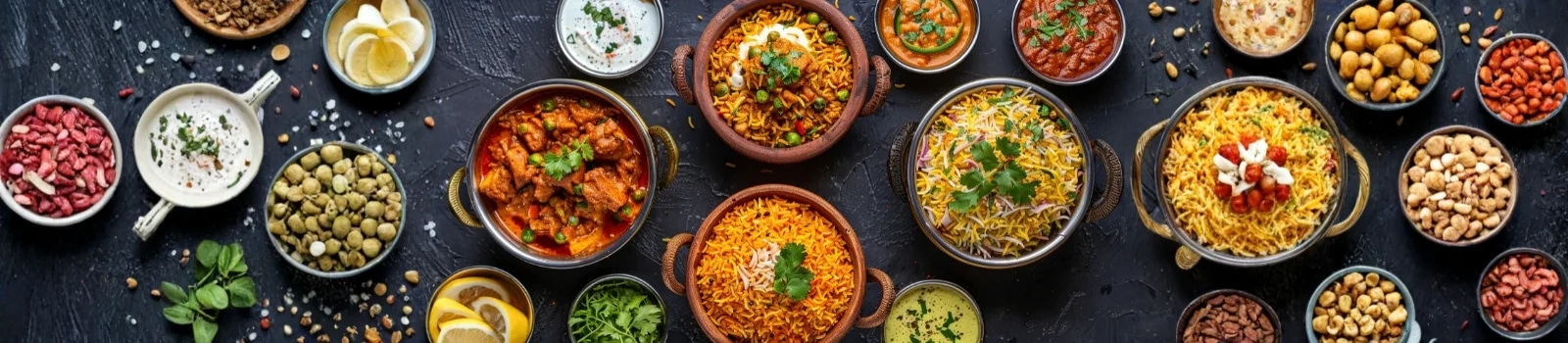
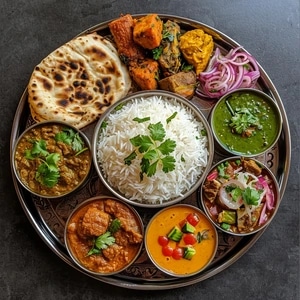
Nearly 1.4 billion people living in 29 states, speaking over 23 languages , belonging to various castes and cultural backgrounds, India is a multidimensional country. The same goes with the food.
Almost every city in the western world has a range of Indian restaurants, however, the food you encounter when you visit India may well surprise. The menu is long and there is so much more to the Indian cuisine than chicken tikka masala,Rogan josh and naan bread.
The North Indian cuisine is heavily influenced by the Moguls who ruled these parts for centuries. It is from this tradition that we have been gifted the legacy of (mainly) meat dishes with thick, rich gravies, served with bread.In the south of India the ingredients and style of cooking are quite different. The South Indians are known for their liberal use of coconut, rice and spices, owing their rich cuisine to their Dravidian ancestors .
Popular Tour Packages
Most booked holidays, hand-picked by our travellers