
Bethuadahari Wildlife Sanctuary
Bethuadahari Wildlife Sanctuary, Bethuadahari town, Nadia district, West Bengal Travel Guide & Activities
Explore the peaceful beauty of Bethuadahari Wildlife Sanctuary in Nadia district, West Bengal. This small haven of biodiversity is perfect for nature walks along trails like Salim Ali and Brandis. Visit from November to March for the best weather, wildlife sightings, and birdwatching. The sanctuary is well-known for its chital deer, migratory birds, and calm forest environment.
About Bethuadahari Wildlife Sanctuary
Founded in 1980, the Bethuadahari Wildlife Sanctuary protects the Central Gangetic alluvial ecozone in Nadia district, West Bengal. Covering 67 hectares, it consists of tropical moist deciduous forests filled with shal, teak, and bamboo. Once a deer park in 1969, it now hosts a rich variety of wildlife, including chital deer, Bengal foxes, langurs, rock pythons, and over 50 bird species. The sanctuary supports local eco-tourism and the economy through guides, hotels, and a Nature Interpretative Centre. Named trails like the Salim Ali trail emphasize conservation efforts. Its small but lively ecosystem offers opportunities for birdwatching, photography, and learning, making it a peaceful and enriching destination.
Attractions in Wildlife of Bethuadahari Wildlife Sanctuary
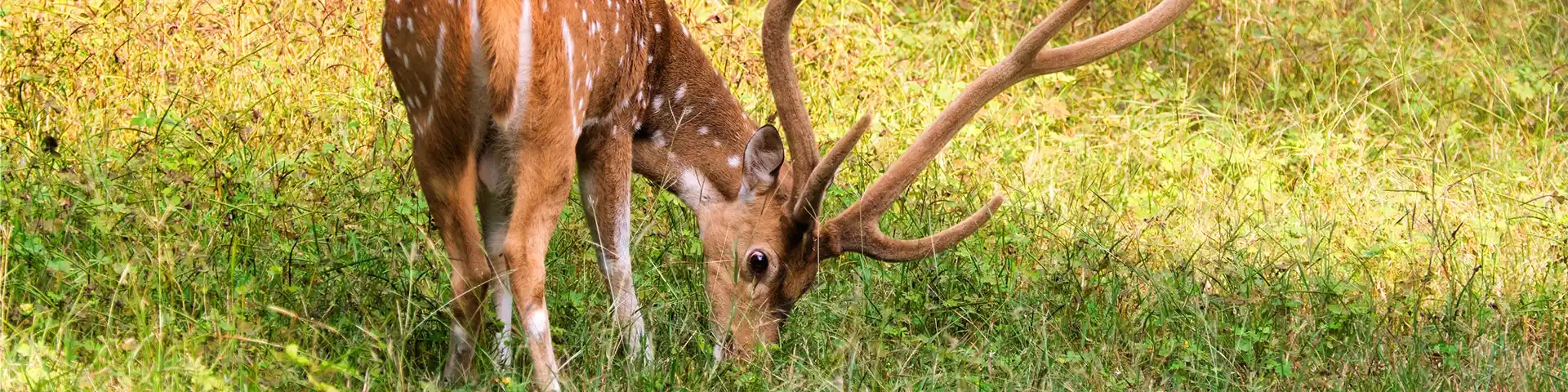
Located in Bethuadahari town, Nadia district, West Bengal, the Bethuadahari Wildlife Sanctuary is a calm natural retreat founded in 1980 to protect the Central Gangetic alluvial ecozone. Originally a deer park in 1969, it transformed into a full sanctuary that safeguards a rich mix of plants and animals within 67 hectares of tropical moist deciduous forest. This small but biodiverse sanctuary is home to spotted deer (chital), langurs, Bengal foxes, jackals, and over 50 bird species, including migratory visitors, which gives it the title of Important Bird Area. The landscape includes dense woodlands, open grasslands, and small water bodies, creating a perfect habitat for numerous wildlife. Dominated by shal, teak, arjun, rosewood, and bamboo, the forest also harbors many medicinal plants, enhancing both ecological and economic value. With its natural beauty, rich biodiversity, and tranquil atmosphere, the Bethuadahari Wildlife Sanctuary stands out as an inviting escape for nature lovers and wildlife enthusiasts alike.
Main Attractions:
Salim Ali Trail: Birdwatchers’ paradise with kingfishers, herons, and butterflies.
Brandis Trail: Forest path ideal for spotting deer, langurs, and foxes.
Nature Interpretative Centre: Exhibits on local flora, fauna, and conservation.
Watchtower Point: Panoramic forest view and birdwatching hotspot.
Central Grassland Zone: Open area for viewing grazing deer and jackals.
Butterfly Garden: Blooming plants attracting colourful butterflies.
Eco-Park Area: Picnic zone with eco-friendly amenities.
Wetland Viewing Point: Marshes hosting wading birds, turtles, and amphibians.
Visitor Info:
Best Time to visit: November to March is pleasant weather and peak birdwatching season
Timings: 8:00 AM–5:00 PM (Closed on Thursdays)
Entry Fee: ₹60 (for Indians), ₹100 (for foreigners)
Camera: ₹50 (still cameras), ₹200 (video cameras)
Guided Walks: ₹200 per person (includes guide and trail access)
Eco-Park & Interpretation Centre Access: Included in entry fee
Best Time to Visit Bethuadahari Wildlife Sanctuary
The best time to visit Bethuadahari Wildlife Sanctuary is from October to March.
During this period, the weather is cool, the forest is green, and wildlife activity is high.
These cooler months provide a full-day experience best enjoyed with a balanced plan that includes walks, photography, birdwatching, and relaxation.
Morning (6:00 AM to 9:00 AM)
Start early with a guided nature walk along the Brandis or Salim Ali trails. The morning mist and soft light create a perfect setting to see spotted deer, langurs, Bengal foxes, and many bird species. This is the most peaceful time in the sanctuary, great for nature lovers and photographers.
Late Morning (9:00 AM to 11:00 AM)
After your walk, take a short birdwatching break from one of the watchtowers or by the water. Birds remain active during this time, including parakeets, Indian cuckoos, and migratory waterfowl. Bring binoculars and a camera for the best experience.
Afternoon (12:00 PM to 3:00 PM)
Use this time for wildlife and nature photography. The light becomes warmer, making the colours of the forest and its wildlife more vibrant. Explore less-traveled trails or rest areas where you can capture photos of deer herds or close-ups of plants. The sanctuary closes around 3:00 PM, so plan to end your walk by then.
Evening and Night (Optional Overnight Stay)
If you choose to stay overnight, settle into one of the forest cottages for a night under the stars. After dark, listen to the sounds of the jungle, including crickets, rustling leaves, and far-off calls of night creatures. The next morning, watch deer feed and birds wake in the golden light.
This winter itinerary promises a complete, peaceful, and wildlife-filled experience, making October to March the best time to visit Bethuadahari Wildlife Sanctuary.
Activities in Bethuadahari Wildlife Sanctuary
Nature exploration
Guided nature walks along the Brandis and Salim Ali Trails with expert guides.
Explore diverse flora including sal, teak, arjun, Indian rosewood, and bamboo.
Enjoy photography of the lush forest, wildlife, and serene landscapes.
Wildlife observation
Birdwatching and panoramic forest views. Observe deer and wild hogs near the feed pits.
Visit the Gharial Rehabilitation Centre to see gharials basking in the sun.
Spot mammals like spotted deer, jackals, jungle cats, porcupines, and langurs.
Watch reptiles and amphibians such as pythons, cobras, and monitor lizards.
Identify over 200 bird species including parakeets, cuckoos, and barbets.
Nearby attractions
Krishnanagar Rajbari Palace, ISKCON Mayapur, Ballal Dhipi’s Buddhist ruins, and Ghurni’s traditional clay doll-making artisans.
How to Reach Bethuadahari Wildlife Sanctuary
By air: Nearest airport: Kolkata Airport (also known as Netaji Subhas Bose International Airport).
By Road: Rent a private car or take a bus for the approximately 155 km road trip to the sanctuary. The sanctuary is located near National Highway 34. You can drive to the sanctuary in a private vehicle.
Nearest railway station: The nearest railway station is in Bethuadahari town itself.
By Bus: You can take a bus from major cities to Bethuadahari town, which is in the Nadia district. The sanctuary is a short distance from the Bethuadahari town, from which you can reach it by walk.
FAQs — Bethuadahari Wildlife Sanctuary

Popular Tour Packages
Most booked holidays, hand-picked by our travellers