

No.4, Annai Avenue, Vasanth Nagar EXTN,
Srirangam, Trichy, Tamil Nadu ,620006.
CIN: U31100TN2010PTC078389
DUNS Number: 859496557

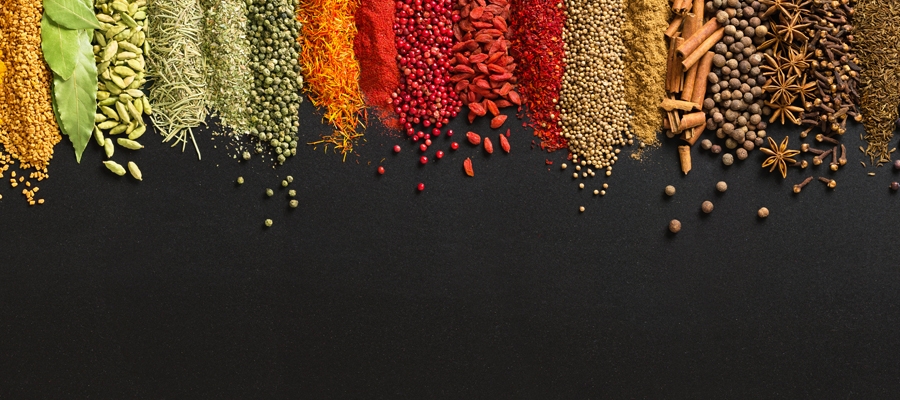
Close your eyes and imagine the fragrance of cardamom, the warm sweetness of cinnamon, and the fiery allure of chili peppers. Welcome to the world of Indian spices! India, known as the land of spices, boasts centuries of history and tradition behind its spice use and trading operations.
India is often called the "Spice Bowl of the World." A spice tour in India offers a chance to understand the country's aromatic treasures and take a deep voyage through Indian culinary heritage. There could hardly be anything as refreshing and enigmatic for foodies and curious travellers alike as the chance to explore the fundamental flavours that add unique distinction to Indian food through a spice tour in India.
In this blog post, we'll delve into the captivating world of Indian spices, exploring their origins, uses, and the regions where you can have the most authentic experiences.
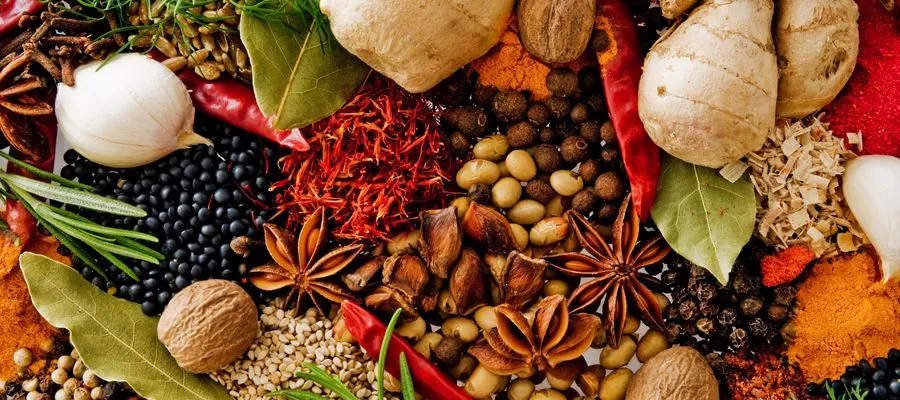
India has a longstanding association with spices, dating back to approximately 3000 BCE in the Indus Valley Civilization. Early textual evidence, such as the Rigveda, references the use of turmeric and pepper, indicating the integral role of spices in daily life during that era. Beyond their culinary significance, spices held religious and medicinal importance. In Ayurveda, an ancient Indian medicinal system, essential spices such as cumin, coriander, and asafoetida were widely utilized for their potent medicinal properties.
The rich tapestry of history and culture the Indian spices are deeply rooted in bespeaks diverse landscapes and traditions. Essential for cooking practices and rituals, it thus represents the quintessence of Indian identity, and through trade, they shaped global cuisines too, thereby promoting cultural exchanges. Now, they stretch across borders as symbols of heritage and hospitality. The legacy of Indian spices lives on, providing joy and enhancement to people's lives and cuisines, all over the world.
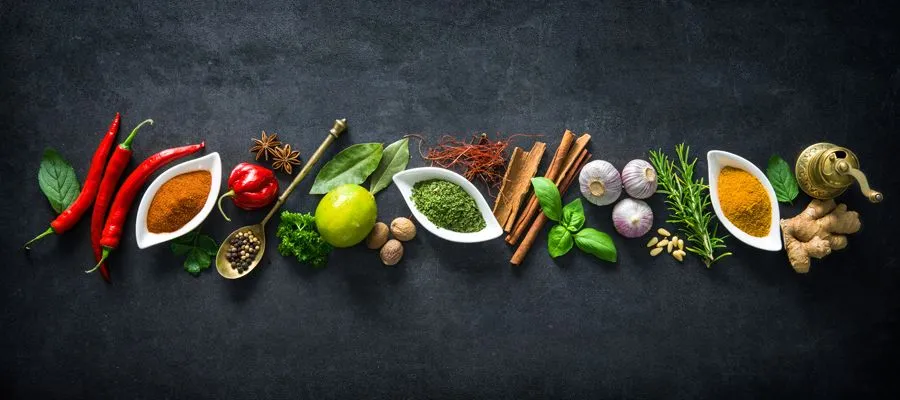
Cardamom is known as "Queen of Spices", No discussion of cardamom would be complete without mentioning its starring role in Indian chai. This beloved beverage owes much of its comforting warmth and aromatic allure to the presence of cardamom. Each sip of chai is a testament to the spice's ability to create a sensory experience that is both refreshing and soothing. The spice is renowned for its cultivation in the tropical climates present in the state of Kerala.
Turmeric, one of India's most recognized spices, is a vibrant yellow spice closely associated with the flavours of Tamil Nadu in the eastern region. Widely used for its medicinal, traditional, and culinary purposes, turmeric plays a key role in defining Indian cuisine.
Cinnamon is a treasured spice, often used for the betterment of sweetness and warmth in desserts, but it is also a good spice for savoury dishes. It originated from the inner bark of trees belonging to the Cinnamomum family and has been prized for thousands of years with its peculiar flavour and aromatic qualities not many are using this for the culinary values only, but for the health benefits, such as anti-inflammatory and antioxidant properties. Regions where cinnamon is cultivated include Kerala, Tamil Nadu.
Black pepper is called the "King of Spices". One crop that India has been cultivating for thousands of years is black pepper. The Malabar Coast of Kerala is known for producing some of the best black pepper in the world. The area provides a particular climatic and soil condition that gives the spice flavouring and aroma.
Many spice plantations in India offer guided tours, allowing tourists to see first-hand how various spices are grown, harvested, and processed. These tours typically include:
Spice plantations are not just a feast for the eyes, though they are but a journey through all the senses: taste, smell, and touch. You will have hands-on experiences in each spice, such as tasting fresh spices and aromatic blends.
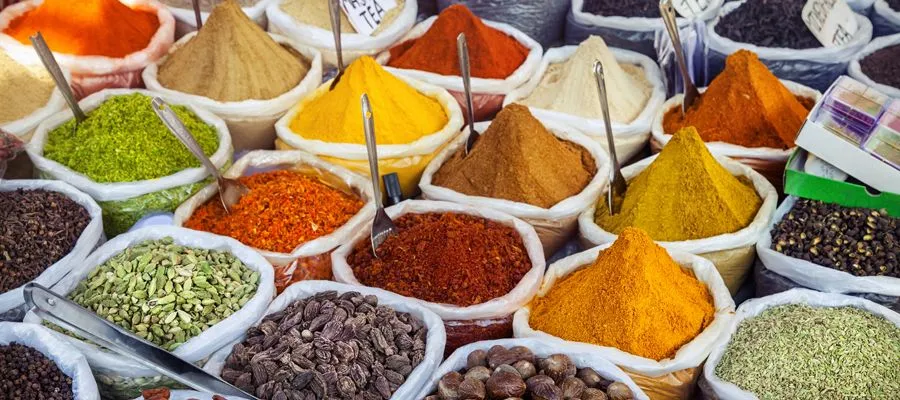
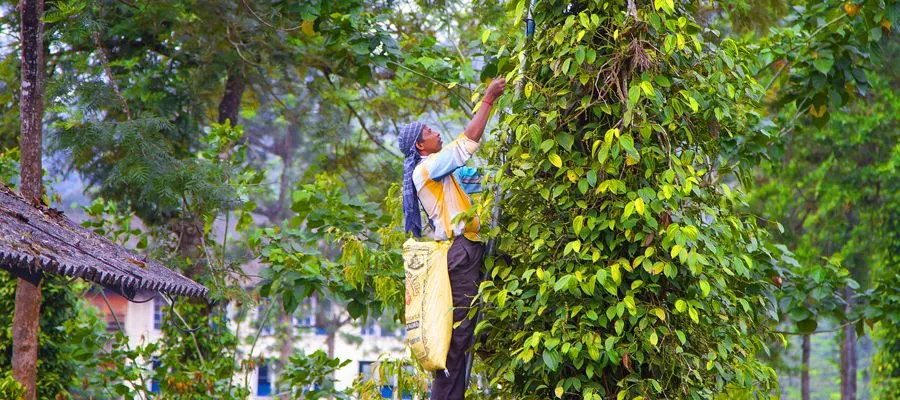
A tour of a spice plantation provides an educational and enriching experience for all travellers:
Cultural Exposure: Discover ancient customs and folklore associated with spice cultivation, deepening your understanding of local traditions.
Ecological Insight: Learn about the vital role spices play in biodiversity and their contribution to a balanced ecosystem.
Culinary Enrichment: Gain hands-on experience in cooking techniques and develop your palate by directly engaging with the spices.
Spice tours immerse you in the historical and cultural context that has shaped these flavourful regions for centuries.
The best time for a spice tour in India largely depends on the region you choose to visit. However, the winter months from November to February offer ideal weather across most parts of the country, making it perfect for exploring spice plantations and markets.
Embarking on a spice tour in India offers more than just a taste of its culinary delights; it's an immersion into the country's rich history, diverse culture, and time-honoured traditions. As you return home, your luggage filled with fragrant souvenirs and your heart brimming with memories, you'll realize that India's aromatic spices have left an indelible mark on your senses. A spice tour in India promises to create enduring impressions and foster a greater appreciation for the nation's diverse flavours, making it an essential addition to any traveller’s itinerary.
So, pack your travel essentials, embrace your adventurous spirit, and get ready to embark on an exciting journey into the aromatic world of Indian spices!
No FAQ available for this Blog.
Share This News