No.4, Annai Avenue, Vasanth Nagar EXTN,
Srirangam, Trichy, Tamil Nadu ,620006.
CIN: U31100TN2010PTC078389
DUNS Number: 859496557

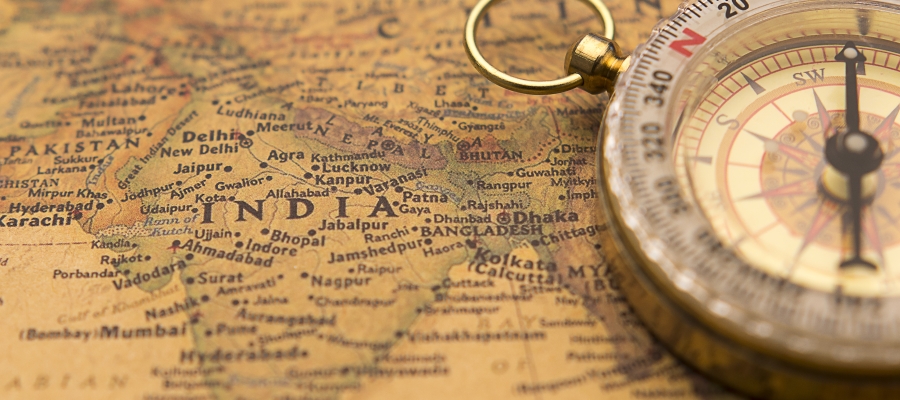
India is that land where stories breathe, where ancient tales, forgotten legends, and unbelievable facts quietly shape its soul.
Imagine a land that, journeying across the ocean to meet its destiny, moved towards Asia in a tectonic dance and rose proudly to form the majestic Himalayas. Imagine a civilisation so vibrant and prosperous that it became one of the greatest empires the world has ever known. These aren’t legends—they are the remarkable, inspiring truths woven into India’s incredible story.
But what truly draws travellers from every corner of the globe? It’s the feeling that India is never just a destination—it’s an experience. Every city whispers a different story, every tradition carries centuries of meaning, and every landscape reveals a surprise waiting to be discovered.
From spiritual sanctuaries and colourful rituals to rare wildlife and ancient scientific brilliance, India is home to numerous wonders that many have never even heard of.
Journey through this blog to discover amazing, little-known facts about India – insights that will deepen your curiosity and inspire you to see this extraordinary nation in a whole new light.
India is a land filled with countless stories ready to be explored. Here, ancient wisdom strides with modern innovation, while every landscape holds quiet wonder. From lush rainforests and rare wildlife to sacred festivals, timeless traditions, and a chorus of languages, India’s hidden gems reveal a nation rich in spirit, culture, and unforgettable experiences.
India teems with amazing marvels that delight travelers at every turn. From gravity-defying hills and ancient games to extraordinary spiritual gatherings, the country's wonders shine across nature, culture, science, and tradition.
These remarkable facts celebrate why India continues to inspire millions and stands as one of the world’s most captivating destinations.
Now, let’s explore these amazing facts about India one by one.
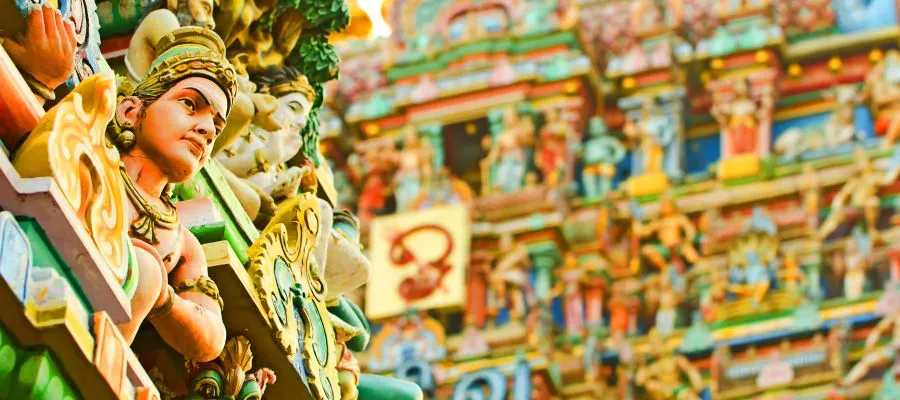
Hinduism is widely regarded as the world's oldest living religion, with origins stretching back more than 4,000 years. Its sacred scriptures, rituals, and philosophies have shaped India's cultural identity through generations. Many well-known Indian culture facts —from colourful festivals to daily customs—are deeply rooted in Hindu beliefs that continue to flourish today.
For travellers, experiencing this ancient faith first-hand becomes a powerful journey into India’s soul. Whether it’s the rhythmic chants in temples, vibrant ceremonies, or simple rituals practised in everyday life, Hinduism offers a profound cultural encounter unlike anything found elsewhere in the world.
The Taj Mahal is often admired as a royal palace, yet it stands as a magnificent mausoleum lovingly built by Emperor Shah Jahan in honour of his beloved wife, Mumtaz Mahal. The tales of its white marble, intricate carvings, and sparkling gems present a love story that contributed to shaping India's heritage.
Walking through its corridors feels like stepping into a timeless romance, where history and emotion blend beautifully. More than a monument, the Taj Mahal is an unforgettable reminder of love’s enduring power – and its story continues to inspire every visitor.
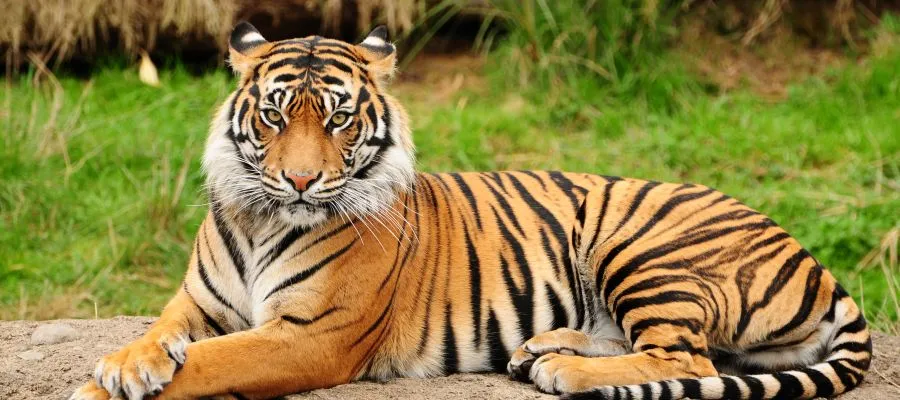
India proudly shelters above 60% of the world’s Bengal tiger population, making it the ultimate destination for unforgettable tiger safaris. In reserves like Ranthambore, Bandhavgarh, and the mysterious Sundarbans, travellers can witness the majestic Royal Bengal Tiger roaming freely in its natural kingdom.
These thriving habitats reflect India’s deep dedication to wildlife conservation and give visitors a wonderful opportunity to experience nature in its purest, most awe-inspiring form.
India holds the distinction of being the most vegetarian-friendly nation on earth, with millions choosing a plant-based lifestyle.
Influenced by ancient cultural beliefs, spiritual principles, and long-standing traditions, vegetarianism plays a central role in shaping Indian cuisine.
Travelers to India discover a remarkable variety of regional vegetarian dishes. The country serves as a true culinary destination for those seeking plant-based cuisine, providing authentic, flavourful meals that reflect the diverse culture and traditions of each region.
In India, cows are cherished as symbols of purity, nourishment, and non-violence. Their sacred status comes from ancient Hindu scriptures, which honour the cow as a gentle giver of life. Travellers often see cows roaming streets, temples, and villages, reflecting deep cultural respect.
This unique bond between humans and animals is one of the most fascinating India history facts, revealing the country’s spiritual values and offering visitors a meaningful glimpse into its rich cultural ethos.
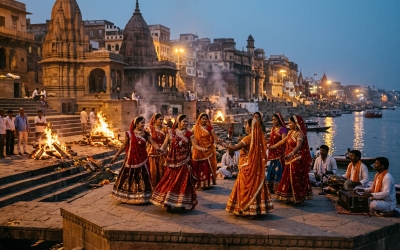
Cities like Varanasi, Madurai, and Ujjain are among the world’s oldest continuously inhabited places, where life has flowed for thousands of years. Their temples, Ghats, bustling markets, and age-old rituals echo the depth of Indian history.
Walking through these sacred streets feels like exploring a living museum. For cultural travellers, these cities offer immersive experiences where tradition and modern life blend, making them essential destinations for understanding India’s timeless and vibrant heritage.
The game of Snakes and Ladders joyfully traces its origins to ancient India, where it was known as Moksha Patam. Invented to encourage moral teachings, it graphically depicted life's path-ladders standing for good actions that carry us upward, snakes representing challenges that guide us toward reflection.
It travelled across the world, morphing into a favourite family activity, but it still reflects its Indian origins. Today, Snakes and Ladders serves as a delightful reminder of India's creativity, wisdom, and positive influence on culture and entertainment around the world.
India stands as one of the world's most linguistically diverse nations, with 22 official languages and thousands of distinct dialects. Each region, with its unique script and rhythm, contributes to a vast cultural mosaic shaped by language.
Travellers enjoy hearing new greetings and expressions in every state, making communication a joyful and immersive experience. Such incredible diversity showcases the strong cultural unity, rich traditions, and vibrant heritage that blend effortlessly into modern life in India.
Exploring its languages provides a heart-warming insight into Indian culture facts and helps visitors connect more meaningfully with the people who bring this diversity to life.
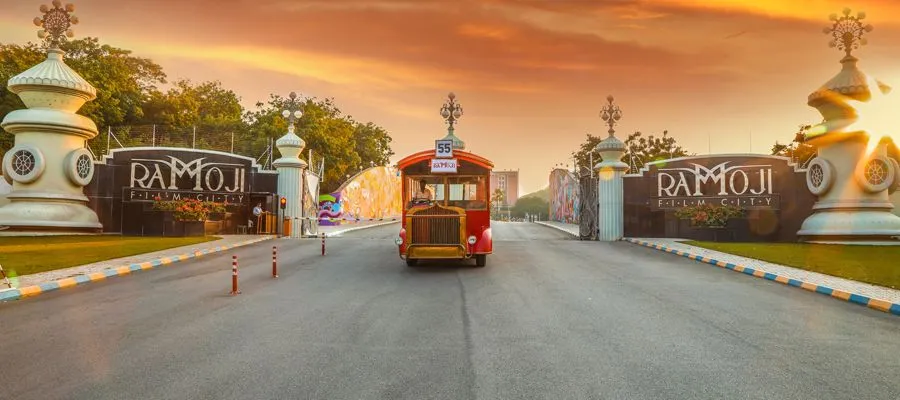
India proudly stands as the largest film producer in the world, offering an incredible spectrum that delights audiences all over.
Bollywood shines with its vibrancy of songs and emotional tales, while regional industries like Tollywood, Kollywood, Mollywood and Sandalwood add their own creative flair. The vibrant storytelling and expressive performances of Indian cinema make it genuinely unforgettable.
For travellers, exploring film studios, watching local screenings, or visiting Bollywood attractions becomes an exciting cultural experience. This thriving industry reflects India’s positivity, imagination, and passion – inviting visitors to step into the colourful world of Indian storytelling.

Magnetic Hill in Ladakh is one of India’s most fascinating natural wonders. Here, vehicles appear to roll uphill, delighting travellers with a thrilling optical illusion. This mysterious phenomenon, caused by the landscape’s unique contours, draws visitors from across the globe.
Experiencing it first-hand is both fun and mind-boggling. Blending science, nature, and wonder, Magnetic Hill is a perfect example of India’s incredible surprises, making it a must-see for anyone seeking extraordinary experiences in this diverse country.
India stands as the most populous country in the world, a country of living, breathing mosaics of cultures, languages, and traditions. The sheer scale of its people fuels festivals that explode in colour, sparks ideas that push boundaries, and a culinary scene that travels from street stalls to refined kitchens across every corner of the map.
Walk through its markets, wander its cities, and you feel a pulse—historic lanes beside glassy skylines—where old and new coexist in a vibrant harmony. Its people, diversity, and traditions make India endlessly captivating, inviting visitors to explore the heart of this vibrant nation.
India has long been the world’s largest milk producer, thanks to its thriving dairy sector and millions of small-scale farmers. Life here is infused with milk — from silky sweets to a comforting cup of chai — it forms the core of so many culinary traditions. Visitors can sample fresh, truly authentic dairy-forward delights while getting a glimpse of the nation's agricultural soul.
This prolific output speaks to India's self-reliance and its deep ties to food culture, offering a wholesome, flavourful window into ordinary life and cherished customs.
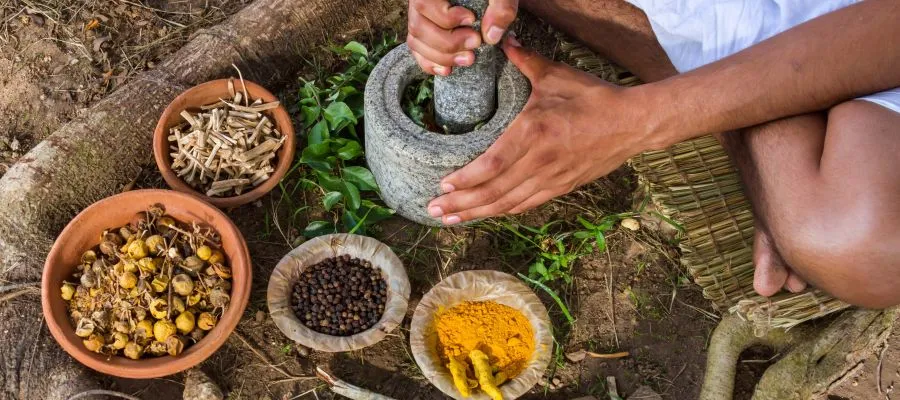
India produces more spices than any other country, shaping cuisines worldwide. From fragrant cardamom and earthy cumin to bold black pepper and golden turmeric, these spices have been a part of India’s identity since ancient trade routes like the Spice Route.
Travellers can roam lively spice markets, visit aromatic plantations, and even take part in practical cooking classes to unlock the bold and nuanced flavours at the core of Indian cuisine.
It’s a sensory celebration of India’s rich gastronomic heritage — a delectable bridge to its history, culture, and vivid traditions.
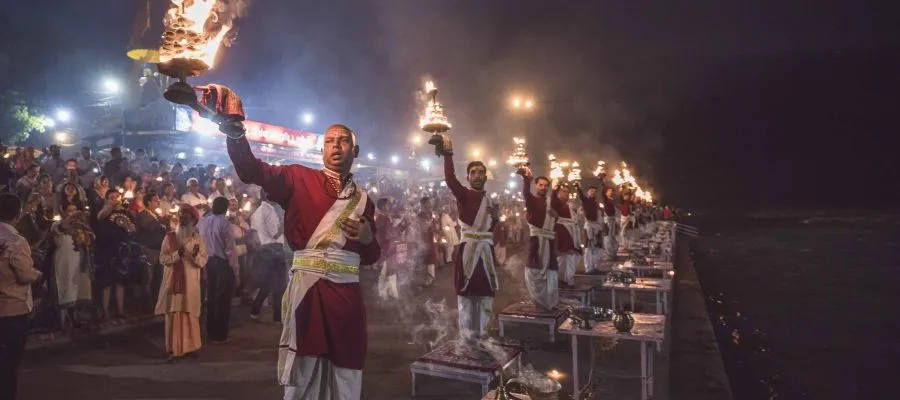
Held once every twelve years, the Kumbh Mela brings together millions of pilgrims, earning its place as the biggest religious gathering in the world.
Devotees gather along sacred rivers for spiritual purification, rituals, and prayers, creating an awe-inspiring spectacle of devotion and unity. Visitors witness extraordinary ceremonies, vibrant traditions, and a deep sense of faith that is unmatched anywhere else in the world.
A visit to the Kumbh Mela immerses travellers in India’s spiritual core, where rich culture, collective devotion, and timeless rituals come alive.
Choose Indian Panorama for your journey across India! Our expertly crafted tours bring you closer to India’s rich culture, history, and natural beauty, offering authentic experiences that leave lasting memories.
With personalized service, knowledgeable guides, and seamless travel arrangements, Indian Panorama ensures every trip is unforgettable.
Explore India the way it’s meant to be—effortlessly and exceptionally.

Share This News