
No.4, Annai Avenue, Vasanth Nagar EXTN,
Srirangam, Trichy, Tamil Nadu ,620006.
CIN: U31100TN2010PTC078389
DUNS Number: 859496557


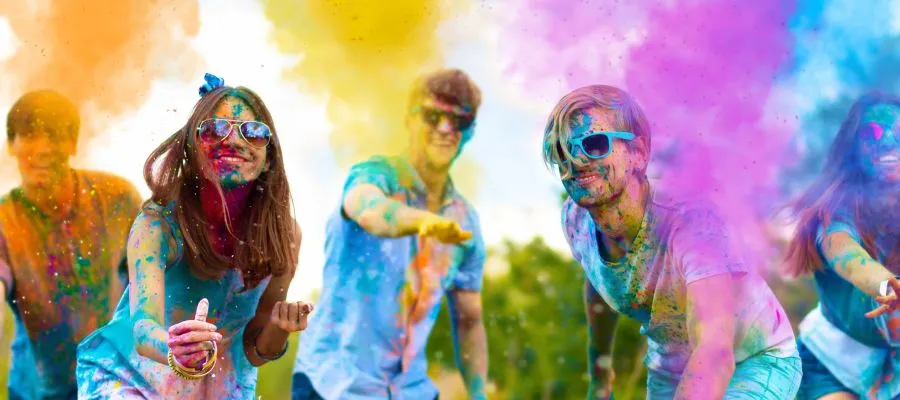
Holi, often referred to as the Festival of Colours, is one of the most joyous and vibrant celebrations in India. It's a time filled with colours, music, dance, sweets, and laughter, marking the arrival of spring and the victory of good over evil. Each year, millions of people in India and around the globe come together to partake in this beautiful festival, making it a powerful symbol of unity and joy.
In 2026, Holi is poised to be even more spectacular, with cultural events, traditional rituals, and festive celebrations taking place in cities, towns, and villages across India. For tourists, Holi is more than just a festival; it’s a unique cultural experience that highlights India’s rich traditions, spirituality, and warm hospitality.
Holi is a Hindu spring festival that embodies joy, love, forgiveness, and renewal. It signifies the end of winter and the start of a new agricultural season. This festival is also a time for people to let go of past grievances, forgive one another, and strengthen their bonds.

Holi encourages everyone to come together, regardless of caste, religion, or social status. During this festival, everyone is equal, splashed in the same colours, sharing sweets, laughter, and happiness.
The roots of Holi stretch back thousands of years, deeply embedded in Hindu mythology and ancient traditions. There are several legends that explain the significance of Holi, but some of the most popular stories include:
In Hindu mythology, there's a tale about King Hiranyakashipu, who demanded that everyone worship him as a god. But his son, Prahlad, was a devoted follower of Lord Vishnu. Furious at his son's unwavering faith, the king made several attempts on Prahlad's life. Eventually, he enlisted the help of his sister Holika, who had a special boon that made her immune to fire, to sit in a blaze with Prahlad.
However, due to divine intervention, Prahlad was saved, while Holika was consumed by the flames. This story beautifully represents the triumph of good over evil, and the ritual of Holika Dahan, or bonfire, honours this significant event.
Another famous legend revolves around Lord Krishna, who was worried about his dark complexion compared to Radha’s fair skin. His mother playfully suggested that he smear colours on Radha’s face, and this light-hearted act eventually blossomed into the vibrant colour celebrations we know today.
Holi also has agricultural significance. It marks the harvest season and celebrates fertility, prosperity, and the renewal of nature. Farmers thank nature for a good harvest and pray for prosperity in the coming year.
Holi is celebrated on the full moon day of the Hindu month of Phalguna, which usually happens in March. The date changes every year based on the lunar calendar.
In 2026, Holi will be celebrated in 4th March 2026, with Holika Dahan on the first day and Rangwali Holi on the second day.
Holi festivities usually span two main days:
In many places like Mathura, Vrindavan, and Barsana, the celebrations can extend for 3 to 5 days, filled with temple rituals, cultural events, and lively processions.
Holi is celebrated with various customs and rituals across India:
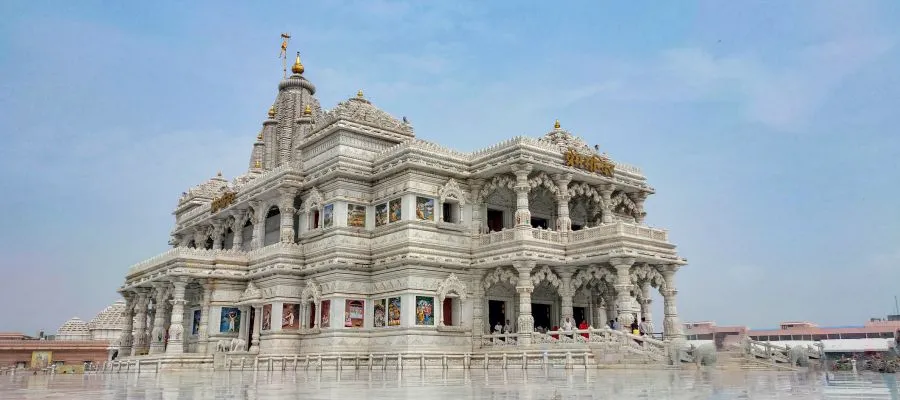
Mathura and Vrindavan are among the most famous places to celebrate Holi in India, known for their deeply spiritual and traditional atmosphere. As the birthplace of Lord Krishna, these towns come alive with temple-cantered festivities that include flower Holi, vibrant colour rituals, devotional singing, and grand processions. Temples like Banke Bihari and ISKCON transform into lively centres of devotion and celebration.
Tourists attending Holi here gain insight into Krishna legends, Hindu rituals, and centuries-old traditions while experiencing one of the most sacred and authentic Holi celebrations in the world.

Barsana, is famous for its one-of-a-kind Lathmar Holi, a fun-filled tradition where women playfully chase men with sticks while the men defend themselves with shields. This celebration symbolises the playful relationship between Radha and Krishna and showcases rural Braj culture. Colourful crowds, folk songs, and dramatic re-enactments make Barsana one of the most photographed Holi destinations.
Tourists who participate in Lathmar Holi gain a unique perspective on local folklore, gender-role rituals, and the rural Indian festivities that have been preserved in their most authentic form.

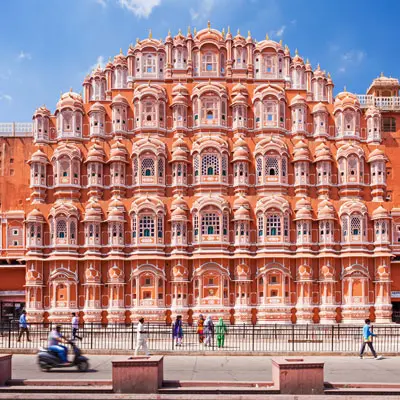
In Jaipur, Rajasthan, the Holi experience is nothing short of royal and steeped in heritage, blending traditional celebrations with a touch of regal charm. The city comes alive with elephant parades, folk dances, cultural shows, and heritage events held in palaces and courtyards. Visitors can indulge in luxurious celebrations, enjoy traditional Rajasthani music, and take in the grand architecture that serves as a stunning backdrop.
Celebrating Holi in Jaipur offers a deep dive into royal traditions, Rajasthani culture, and heritage festivities, all while providing top-notch hospitality experiences, making it a perfect choice for luxury travelers and culture enthusiasts alike.
Delhi is renowned for its modern and high-energy Holi celebrations, featuring music festivals, DJ parties, cultural events, and organized colour parties. The city attracts young travellers, expats, and international tourists seeking a vibrant and social celebration.
Tourists attending Holi in Delhi gain insight into contemporary Indian youth culture, multicultural gatherings, and modern festival management. With a mix of traditional street celebrations and premium Holi events, Delhi offers a lively and organized way to experience India’s festival of colours.
In Shantiniketan, Holi is celebrated as Basanta Utsav, an elegant spring festival inspired by Rabindranath Tagore. Here, students and artists showcase poetry, music, and dance while dressed in traditional yellow outfits. The atmosphere is serene, artistic, and culturally rich, offering a refreshing contrast to the typical colour-throwing festivities.
Tourists who attend Basanta Utsav gain a deeper understanding of Bengali culture, Tagore’s philosophy, and India’s artistic legacy. It is ideal for travellers seeking a refined and cultural Holi experience rather than a loud and crowded celebration.
Pushkar and Udaipur offer a blend of spiritual and royal Holi celebrations. In Pushkar, you can immerse yourself in temple rituals, lively street celebrations, and spiritual gatherings that truly capture the essence of the festival. Meanwhile, Udaipur dazzles with its palace events, cultural performances, and enchanting lakeside parties.
Tourists can enjoy traditional rituals in temples and luxurious celebrations in heritage properties. Experiencing Holi in these cities offers a unique glimpse into Rajasthani traditions, the warmth of royal hospitality, and deep-rooted spiritual practices, making them ideal spots for travelers who crave both cultural richness and stunning scenery during this vibrant festival.
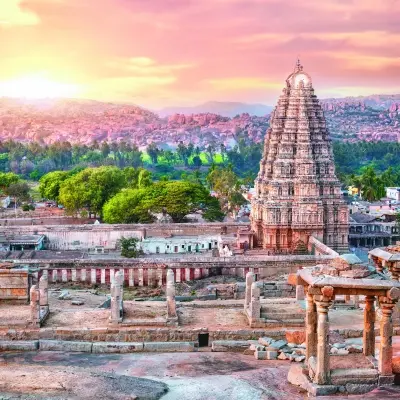
Hampi has become a beloved Holi hotspot for backpackers and international travelers, celebrated for its laid-back and inclusive atmosphere. The festival features colours, music, dance, and cultural activities set against the ruins of a UNESCO World Heritage Site. Those who join the Holi festivities in Hampi experience a unique blend of India’s hippie and backpacker culture, set against stunning ancient ruins and a vibrant international traveller community.
The celebrations are warm, friendly, and inclusive, making Hampi an excellent choice for foreign tourists and solo travelers looking for a safe, social, and culturally rich Holi experience.

Holi isn’t just another festival; it’s a vibrant cultural adventure waiting to be explored. When tourists find themselves in India during Holi, they get to experience:
Holi allows tourists to connect with locals and experience India’s vibrant culture in its purest form.
Planning a trip around Holi is one of the most exciting ways to discover India’s rich cultural tapestry. Festivals breathe life into destinations with their vibrant decorations, bustling markets, and joyous celebrations. Tourists can seamlessly blend Holi festivities with sightseeing tours, heritage walks, wildlife safaris, and culinary adventures.
Holi travel packages typically include guided tours, cultural shows, temple visits, and festive events, making it an ideal time for both first-time visitors and seasoned travelers.

Holi Festival 2026 is the perfect opportunity to experience India’s vibrant culture, age-old traditions, and joyful spirit. From the sacred towns of Mathura and Vrindavan to the majestic cities of Rajasthan and the artistic festivities in West Bengal, Holi promises unforgettable moments for travelers from all corners of the globe.
Whether you’re a culture buff, a photography lover, or just someone who enjoys festivals, celebrating Holi in India will gift you with vibrant memories and a deeper appreciation for Indian traditions and hospitality.
Plan your Holi Festival 2026 trip with Indian Panorama, where you can find expertly crafted tour packages, top-notch accommodations, and immersive cultural experiences. Let Indian Panorama help you create the perfect Holi journey across India, making your festival celebration truly special.
Share This News