No.4, Annai Avenue, Vasanth Nagar EXTN,
Srirangam, Trichy, Tamil Nadu ,620006.
CIN: U31100TN2010PTC078389
DUNS Number: 859496557


India blends ancient worlds seamlessly- civilizations long gone, kings’ lineages, deep beliefs, striking buildings - all kept alive as stunning pieces of history. Not just majestic Mughal wonders but also time-honoured temples appear side by side. Ancient Buddhist hideouts together with exemplary colonial designs add contrast. These places invite tourists who seek meaningful journeys through time in India. Every heritage site in India narrates its own story shaped into rock or brick, helping to understand what makes India unique globally. A selected round-up of twenty significant spots highlights the most recognized symbols, living cultures, hidden gems unleashing layers behind today's nation.
India's history stretches back millennia, formed through shifting realms, creative shifts, alongside deep beliefs influenced by worldwide contact. Starting from ancient Indus communities up to the grand Mughal eras, moving toward southern temple-focused rule then western warrior-led states, every period left a distinct mark on art and structure across the land.
This variety has led to several remarkable cultural landmarks in India, a number being protected by UNESCO. While some show progress in design, others reflect shared traditions, skilled workmanship, or shifting beliefs. Those touring just 10 Indian heritage sites in India or far more nationwide - see ongoing creativity tied closely to lasting customs.
India's wide range of past events, buildings, and traditions draws many visitors interested in history. Travelers might begin at grand fortresses then move to carved cave sites thanks to varied landscapes. Royal residences stand close to old schools where scholars once studied different subjects. The nation keeps remains from Buddhist times alongside Hindu shrines, Islamic designs, colonial marks, or indigenous expressions without favouring any period. Tourists often see ancient drawings, temple artwork from Middle Ages, fine creations under Mughal leaders, and constructions left by British rule - all packed into short trips. Besides landmarks, warm welcomes, seasonal celebrations, and regional dishes add deeper meaning to every trip.
The Mughal Empire is highly influenced India's buildings and culture, making grand landmarks that blends Persian grace with local craftsmanship. Although renowned for balance and symmetry, their designs feature domes, arched openings, lush gardens, along with intricate stonework displayed across contemporary architecture. As emperors such as Akbar, Jahangir, followed by Shah Jahan ruled, the style changed noticeably over a period time. Because they emphasized beauty and city planning, numerous popular sites emerged throughout northern India. While the Taj Mahal shines in white marble, the Red Fort stands strong with majestic walls - both reflect emotion, authority, together with artistic excellence.
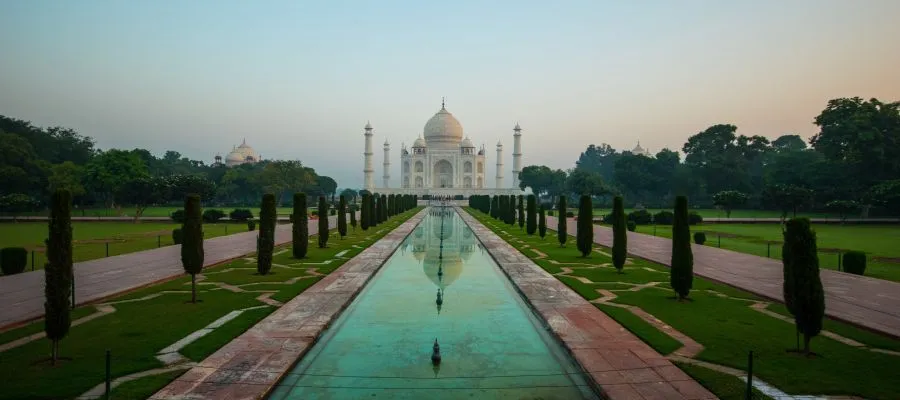
The Taj Mahal ranks among the most visited tourist attaction in India pulling boundless tourists annually. Built by Mughal ruler Shah Jahan to pay reverence to his late spouse Mumtaz, its gleaming marble structure represents deep devotion and excellent craftsmanship. Listed as part of The Seven Wonders of the World it seamlessly blends Persian, Islamic, and local styles through harmonious proportions and marvellous elegance. The building is made of pure white marble from Makrana, adorned with intricate stone inlays using rare gems.
Above it, a main dome stands tall beside four narrow towers. Instead of simple layouts, the grounds follow the Charbagh pattern, reflecting how Mughals have imagined heaven. Behind, the Yamuna River glides quietly, offering the site a serene feel that enriches its beauty. Visiting the Taj during sunrise or sunset offers mesmerizing view - the marble shifts color as sunlight pass across it. Meanwhile, inscriptions appear in script, along with beautiful flower designs and intricate stone details, showing off the astounding skill of Mughal craftsmen.

The Red Fort, also renowned as Lal Qila, stands as a powerful symbol of Mughal influence and design skill. Constructed under Emperor Shah Jahan in 1648, it is a famous historical sites India and operated as a major site for governance and regal events. Built mostly of red sandstone, the structure envelopes more than 250 acres. It showcases a seamless blend of Islamic, Persian, and Timurid styles, Intertwined without disruption. Within the fortress stand significant buildings like the Diwan-i-Aam, Diwan-i-Khas, Rang Mahal, along with imperial rooms; that highlights detailed engravings, marble patterns, and artistic designs. Its huge walls, spanning close to 2.5 km, were constructed for protection yet today it is a symbol of national pride - each year, the Prime Minister gives speech from this site on August 15.
Fatehpur Sikri, built under Emperor Akbar during the 1500s was envisioned as a majestic capital symbolizing his vision of architectural excellence and cultural harmony. The site highlights key structures like the striking Bulund Darwaza, Jama Masjid, Diwan-i-Khas, Panch Mahal, together with a stunning mausoleum honoring Sufi figure Salim Chishti. Its layout unleashes Akbar’s fascination with blending different influences - Persian refinement fuses with indigenous Indian patterns and artistry from Gujarat form a remarkable whole. Strolling through this area offers glimpse into Mughal-era routines, revealing spaces used for governance, living quarters for royalty, and scenic open yards.
Humayun’s Tomb changed how Mughal buildings were originally designed. Constructed by Empress Haji Begum starting in 1565, it is a famous historical sites India and was India's first grave inside a garden - something future spots like the Taj Mahal had followed. It is built with red sandstone together with white marble; paths line up evenly while canals carry water through them, just like the elegant Charbagh setups. Around it you’ll find dense green lawns and minor structures - one holds the Barber’s Tomb, another belongs to Isa Khan. With its towering arches, eight-sided rooms, also intricate stone screens, it unleashes the skill of early Mughal builders. This building remains a tranquil and as a graceful symbol of how Mughal design transformed over time.
India is a home to many ancient temple that have withstood the test of time and they are highly recommended for heritage tourists. These temple showcase deep faith, artistic skill, and smart building methods. These wonders showcase various designs - like the curvy spires elevated north or stepped towers down south. Pillars with intricate carvings, detailed god figures, wide open yards, and along with vibrant legends invites crowds from far away. Quite a few still serve as bustling places for worship, so tourist can see customs that are still alive. Strolling through these sacred sites lets culture lovers experience how India keeps its past going in many ways.

The Khajuraho temples is a major tourist attraction in India renowned for intricate artwork representing people, beliefs, and feelings. Built by the Chandelas, this temple highlight elaborate carvings gods, creatures, performers, or celestial forms. Although erotic sculptures grabs the focus, most designs feature routine scenes, myths, or meaningful symbols. A harmonious blend of structure and creativity positions Khajuraho among India’s top historic places. These shrines, constructed with sandstone in the Nagara tradition, still pull scholars, creators, and culture lovers across the globe.
The Konark Sun Temple is dedicated to Surya, the Sun God. Constructed like a majestic chariot - twelve sculpted wheels, seven mighty horses, this temple is a famous heritage sites in India it reflects classic Kalinga design. Even in ruins, the surviving artwork unleashes exceptional skill. Its strategic placement makes morning sunlight to enter the main chamber. Once called the Black Pagoda because of its black coloured rock, this temple carries deep cultural significance in India.
Hampi was once the regal seat of the Vijayanagara rulers, now an open-air museum of shrines, mansions, markets, and carved carts. Though rich boundlessly centuries ago, today only scattered remains survive on rugged plain stacked with massive rocks. Popular sites are the Virupaksha shrine, the Vittala complex renowned for tuneful columns, an elegant lotus-shaped palace, alongside majestic Elephant Stables. Each building whispers the story of wealth, attacks, and how power developed in southern India long back.
Mahabalipuram, also called as Mamallapuram, stands is an impressive rock-carved structures located along the coast created under Pallava rule Nearby the ocean, the astounding Shore Temple ranks among the major tourist attaction in India becoming the best spot for heritage tourists. Besides this, tourists find elaborate cave shrines shaped directly from stone. Instead of numerous parts merged together, some temples were sculpted entirely from single rocks - called Rathas or chariots. Another major highlight is the large open-air carving reflecting the Ganges' descent. These works show how builders moved gradually from cutting into cliffs toward creating independent stone temples. Rather than just spiritual sites, they display excellent craftsmanship from that era. Heritage explorers will find meaningful meld of sculptural brilliance, ancient tales, and seaside elegance.
India's Buddhist roots show an extensive journey of faith, knowledge or quiet reflection. Major landmarks across the country link directly to Buddha’s life or early followers. Carved temples, rock cut shelters, or funerary mounds reflect artistry through paintings, engravings, and writings left behind. Tourists seeking history may find meaning in their design or the sense of place.
The Ajanta and Ellora Caves in Maharashtra is a major tourist attaction in India. It reflects remarkable skill in rock-cut design. While Ajanta includes 29 caves, these house Buddhist monasteries together with worship places enveloped in beautiful wall paintings - one of India’s earliest art forms. In contrast, Ellora has got 34 caves reflecting Buddhist, Hindu, and Jain beliefs, exhibiting harmonious coexistence across faiths. Kailasa Temple (Cave 16), is the major highlight in the cave built by carving downward from one solid stone block. Taken together, both sites reflect unparalleled creativity alongside spiritual variety, remaining distinctive among India's major cultural landmarks.
Sanchi Stupa, built under Emperor Ashoka around the 200s BCE, ranks among the earliest and renowned Buddhist sites in India. The rounded mound symbolizes Buddha’s awakening; at the same time intricate carvings on entry gates show stories from Jataka texts together with core Buddhist ideologies. Around it lies a tranquil area housing monastic buildings, columns, shrines, and sacred things. Today, Sanchi remains both as a destination for pilgrims and an evidence of ancient Mauryan design.
India's forts and palaces are dynamic symbols of ancient kingdoms that ruled the region. Across Rajasthan’s scorching deserts to the green south, these grand buildings narrate stories of courage, artistry, strategic design, and deep-rooted customs. Rulers from various periods built them - forts focused on protection and military planning, whereas palaces revolved highlights wealth, class structure, along with alluring court lifestyles. In combination, they count among India’s top heritage destinations. Majestic walls, massive entrances, wide open yards, hidden tunnels, also ceremonial halls give tourists a vivid sense of daily existence in historic Indian empires. For heritage tourists, seeing these grand sites feels like stepping into the past. Not only are there golden sandstone forts in Rajasthan, but also lavish regal residences in Karnataka. Some stand on high ground, offering broad looks across valleys below. Each structure shares a unique tale of courage, artistic skill, and lasting impressiveness.
Amber Fort sits high on an uneven hill, overlooking Maota Lake - Jaipur’s standout site and a fine example of Rajput design. Built during the 1500s under Raja Man Singh, it gradually grew larger through later leaders’ additions; this blend brings the classic Rajput style together with elegant Mughal touches, forming a harmonious balance between strength and beauty. Upon entering, guests see wide open yards, massive gateways, and also living areas radiating royal grace. The impressive Ganesh Pol, teemed with bright wall paintings, acts as the formal gateway into the royals' personal spaces. The major attraction at Amber Fort is clearly the Sheesh Mahal - also known as the Mirror Palace - a dazzling chamber covered in small mirrors that shine with minimal lighting.
Mysore Palace, or Amba Vilas Palace, ranks among India's grandest regal buildings and shows off Indo-Saracenic design at its best. Created by British architect Henry Irwin around 1912, it blends Hindu, Islamic, Gothic, and Rajput influences into a balanced yet majestic structure featuring soft pink domes, intricate archways, along with wide balconies. Within, luxury appears in adorned columns, Belgian stained-glass roofs, glistening light fixtures, painted walls, and fine ceramic patterns. At its heart lies the Durbar Hall renowned for rich column designs and a tall dome - where kings once held court and organized events. Also notable: the Kalyana Mandapa, used for weddings, includes tiled floors made of small pieces, vibrant wall art, along with large glass panels from Belgium. On Sundays at night, on holiday evenings, also throughout the ten-day Dasara event, around 100,000 lights illuminate the entire palace transforming the place into a radiant display pulling huge crowds from afar.
Elevating sharply 400 feet over Jodhpur’s "Blue City," Mehrangarh Fort is a popular heritage site in India. Built by Rao Jodha in 1459, it's renowned for its huge size, elevated position, and seamless blend with the rugged cliffs serving as natural barriers. The high, solid walls of Mehrangarh reflects scars from old wars, unleashing the courage and strength of the Rathore leaders. Moving forward through seven massive gates - one built after each triumph - enhances the fortress's majesty. At Loha Pol, palm marks remain; they’re thought to belong to Rajput queens who chose self-sacrifice, standing as a significant sign of past traditions. Inside, Mehrangarh house several grandly adorned palaces found across Rajasthan. While the Phool Mahal attracts with elaborate woodwork, the Jhanki Mahal unleashes delicate artwork behind latticed screens. In contrast, Sheesh Mahal shines through mirrored walls alongside vibrant glass panels. Notably, the fortress hosts one of the top Heritage Sites in India- featuring ceremonial carriers once used by royalty.
Qutub Minar stands as a significant historic landmark in India, renowned for fine craftsmanship and deep roots. At 72.5 meters high, this red-brick elevates up reflects Delhi’s mixed history through Indo-Islamic patterns, intricate engravings, while also showcasing scripts tracing long-term evolution. Initiated by Qutb-ud-din Aibak, it was added to over time by rulers who followed; currently it anchors the Qutub Complex - a location recognized globally under UNESCO status. Tourists notice right away the grooved columns, detailed railings, also Islamic inscriptions clearly cut into red stone and white rock. Structures nearby - like the Quwwat-ul-Islam Mosque, Iron Pillar, along with Alai Darwaza - add weight to the location, showing a compelling look at initial Sultan-era design.
India's colonial past brought many striking buildings, now key tourist spots across the country. Under British rule, urban areas grew with wide avenues, large structures - fusing European design with local skill. Portuguese and French touches also helped shape cityscapes, adding unique character through historic monuments. Colonial and Victorian buildings often feature balanced layouts, rounded roofs, elegant columns, or detailed front designs seen clearly in places such as Kolkata, Mumbai, while also appearing in Puducherry. Even though constructed under outside control, today these forms are viewed as key parts of India's past and design legacy. Such locations reflect how present-day India developed, giving insight into administration, commerce, society, along with city growth from colonial times.
The Victoria Memorial in Kolkata reflects British heritage in India. Constructed with of white marble, this landmark honors Queen Victoria, now ranking among the major tourist spot in India. It blends Victorian design with Mughal and Indian styles, forming an alluring building enveloped by lush green lawns inviting photographer and culture lovers or those just passing inside visitors find a museum with uncommon artworks alongside ancient documents, fabrics, statues, plus items from British rule in India. Every exhibit shares a unique stories - ranging from imperial governance to the struggle for independence - offering clarity on a key era in national change.
The Gateway of India stands as significant historical landmark in Mumbai, reflecting parts of India's colonial history. Built to mark the arrival of King George V along with Queen Mary, this building made from basalt faces the Arabian Sea, inviting countless visitors annually. With its stunning Indo-Saracenic architecture combined with a seaside setting, it has become a top attraction in Mumbai. Now, the Gateway works as a meeting spot, yet doubles as a vibrant culture center while providing ferry departures toward Elephanta Island. Connected closely to major moments in history, like when British forces left after colonial times came to an end. What makes it special is not just the design, instead lies in dynamic nearby scenes - bustling lanes, street creators, snack stalls and boundless views of vessels resting by water. Despite age, this place still welcomes crowds through simple appeal rather than grand promises.
India's ancient towns aren't just spots to visit - they are actively showcasing the customs, ceremonies, and buildings are still alive. In these areas, tourist interested in history can see how Indian culture flows across time, with ancient shrines, river steps, regal homes, and handmade arts melding into today’s routines. Places like Varanasi, Jaipur, or Madurai highlight vibrant lanes, lively bazaars, and traditional craftsmanship, alongside sacred landmarks. These places offer deep engagement, enabling tourists to see how tradition endures beyond structures. Such heritage holds great worth because it connects explorers with India’s culture, cuisine, celebrations, speech, together with community practices.
Varanasi is among the most ancient cities still alive today reflecting how India’s culture remains breathing through time. Situated along the sacred riverbanks of the Ganges, it carries deep spiritual significance passed down across generations. To many people, this place is the heartbeat if India - where everyday life, passing away, faith, and customs blend seamlessly. You might stroll through the narrow lanes filled with shrines, handmade goods, and ancient homes, or experience the stunning evening fire ritual by the water at Dashashwamedh. Ancient landmarks like the Kashi Vishwanath stand throughout town, while music sessions, silk making, and wisdom talks occur everywhere.
Jaipur was India's first city constructed from scratch, now recognized by UNESCO for its cultural significance. With stunning pink buildings everywhere, this site stands out unique due to its royal-era forts, homes fit for kings, also vibrant markets full of action. Jaipur’s Hawa Mahal’s honeycomb windows are widely popular meanwhile, Jantar Mantar holds ancient astronomy tools. The City Palace enriches more flair, showcasing fine details handcrafted many years ago that still pull in crowds till now
The city's ancient markets teemed with gems, fabrics, hand-made goods, or clay pots pulls culture lovers just the same. Not far from Amber Fort’s majestic walls, yet tied to small painted scenes inside time-honoured mansions, this place rank among India’s top historic spots.
Beyond renowned landmarks, India is a home to many hidden gems reflecting its rich history and diverse culture. While fewer famous, these iconic spots highlight local artistry, unique building styles, and time-honoured customs. Sites like Elephanta Caves, Pattadakal, or Rani Ki Vav cater to visitors requiring more than just the usual top-10 heritage tours in India. These landmarks offer calmer visits while reflecting varied cultures - Chalukyan, Hindu, Buddhist, along with local dynasties - that shaped the region.
The Elephanta Caves, located on an island near Mumbai, reflects remarkable craftsmanship carved from stone. Inside, majestic figures honor Lord Shiva - among them, the most renowned three-faced Trimurti, illustrating birth, balance, and death through powerful imagery are also present. Carved during the 5th to 8th century, these caves carry UNESCO status while offering tourists tranquil escape from Mumbai's bustling streets. With detailed columns, carved reliefs, or temple clusters, they reveal excellent skill by ancient Indian makers.
Pattadakal, located in Karnataka, blends north and south Indian temple designs seamlessly. Being named a UNESCO World Heritage location, this monument highlights the skill of Chalukyan builders, seen finely in clearly sculpted shrines, intricate carvings, alongside ancient writings on stone. This place unleashes blended traditions while standing out as a unique example of Hindu religious architecture.
Rani Ki Vav, situated in Patan, stands as one of India's remarkable stepwells - recognized by UNESCO. Built during the 1000s, it unleashes across seven tiers adorned with intricate carvings of gods, legendary figures, together with astounding symmetrical designs. While initially made to store water, it equally highlights the artistic brilliance under the Solanki rulers.
For heritage tourists, these significant sites offer a memorable journey across eras, dynasties, and civilizations that contributed to India’s dynamic identity. Preserving these famous heritage sites in India is a shared responsibility. By traveling respectfully, supporting local communities, and encouraging sustainable tourism practices, we assure these landmarks remain untouched for future generations. As you explore India’s timeless monuments, you don’t just witness history — you become a part of its ongoing legacy.

Share This News